Protect Your Business with Section 530

It can cost you a bundle if you misclassify a worker as an independent contractor instead of an employee for federal employment tax purposes. Read further about that in our article about Worker Classifications & Why It Matters. The IRS can make you pay back payroll taxes plus penalties. In some cases, these can equal […]
Protect Your Deductions with Digital Receipts

When it comes to IRS audits, one of the most common reasons taxpayers lose deductions is the lack of proper documentation. To fully protect your deductions, especially for business-related expenses such as meals, travel, vehicle use, and gifts, you need to keep receipts that document five key facts: the date, the amount, the place, the […]
Reduce Taxes on Your IRA Withdrawals with a QCD [Updated 2026]

If you have one or more traditional IRAs and are age 73 or older, you’re probably familiar with three of the most dreaded letters in the tax world: RMD, short for required minimum distribution. Starting the year you turn 73, the IRS requires you to withdraw a certain amount from your traditional IRAs annually. This […]
Boost Your Roth Savings with this Mega Backdoor Roth Strategy
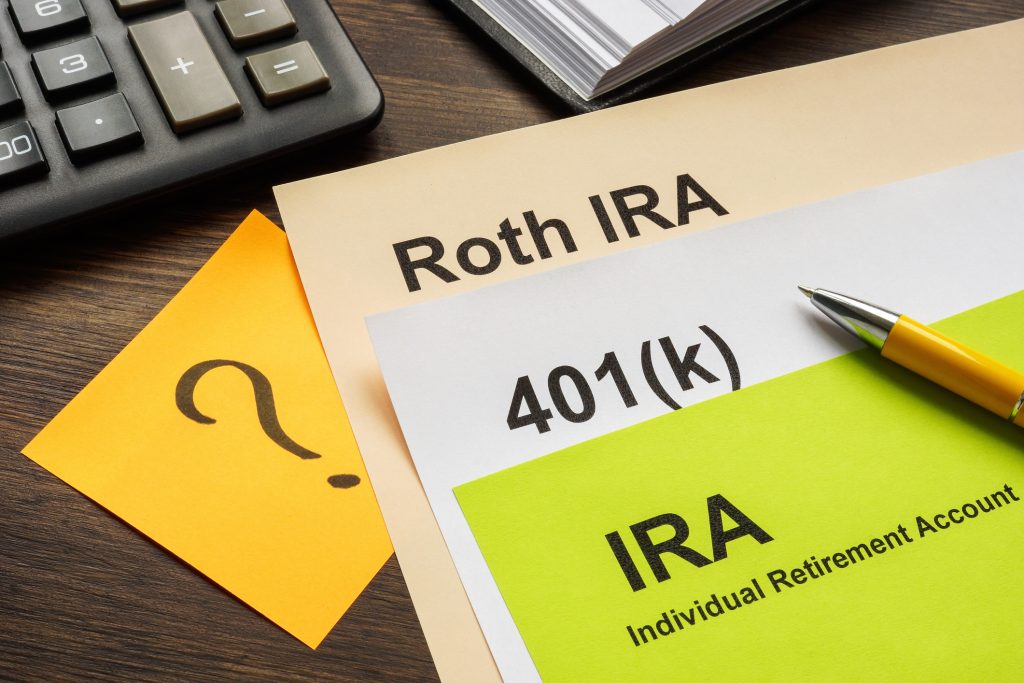
If you are a business owner with no employees and prefer Roth-style retirement savings, you may want to consider the mega backdoor Roth strategy. This powerful tool allows you to contribute significantly more to a Roth account than the standard Roth IRA or even the regular backdoor Roth route—up to $70,000, or $77,500 if you’re […]
How to Avoid Estimated Tax Penalties Using Strategic Withholding

If you’re making quarterly estimated tax payments, missing a deadline can be costly. The IRS currently charges a 7 percent penalty for underpayments—and since penalties aren’t deductible, the real cost can feel closer to 11 percent. But here’s our good news: strategic withholding can often help you avoid or erase those estimated tax penalties—even late […]
Tax Code – Defined Statutory Employees are Hybrid Self-Employed

When you hire a worker, one of the most important decisions you’ll make is classifying the worker as either an employee or an independent contractor for tax purposes. If you correctly classify a worker as an independent contractor, you’re not required to pay the employer’s share of Social Security and Medicare taxes or to withhold […]
How to Ask Your C or S Corporation for Travel Reimbursements

Here’s a short note on your payments of corporate expenses and the process for receiving travel reimbursement from your C or S corporation. Your Corporation Is a Separate Legal Entity As a business owner operating through a corporation, you need to remember that the corporation is a distinct legal entity separate from you. Ensuring proper […]
How to Deduct Disaster Losses on Taxes for Individuals

The federal tax law provides relief if a disaster—such as a fire, flood, or hurricane—damages your personal (non-business) property, including your home, belongings, and vehicle. You may be able to deduct these disaster losses from your taxable income, but the rules are complex and often restrictive. Recent changes to the law have expanded eligibility, allowing […]
Retirement Plan Options for a Single-Owned C or S Corporation

Because you operate your business as a solely owned corporation (C or S) with no employees, several excellent retirement plans are available to you that can provide significant tax deductions and help you build wealth for retirement. The options for single-owned corporation retirement are varied and can be tailored to your needs. Some of the […]
Top Sole Proprietorship Retirement Plans to Reduce 2024 Tax Bill

Are you looking for ways to reduce your 2024 tax bill while securing your financial future? Setting up a self-employed retirement plan could be your solution—and it’s not too late! You have several options that can provide significant tax savings, including the following Top Sole Proprietorship Retirement Plans: Each plan has unique benefits depending on […]